
S2E18. Leanne Hughes on Work Fame and How to Get Noticed
48 minutes
Summary
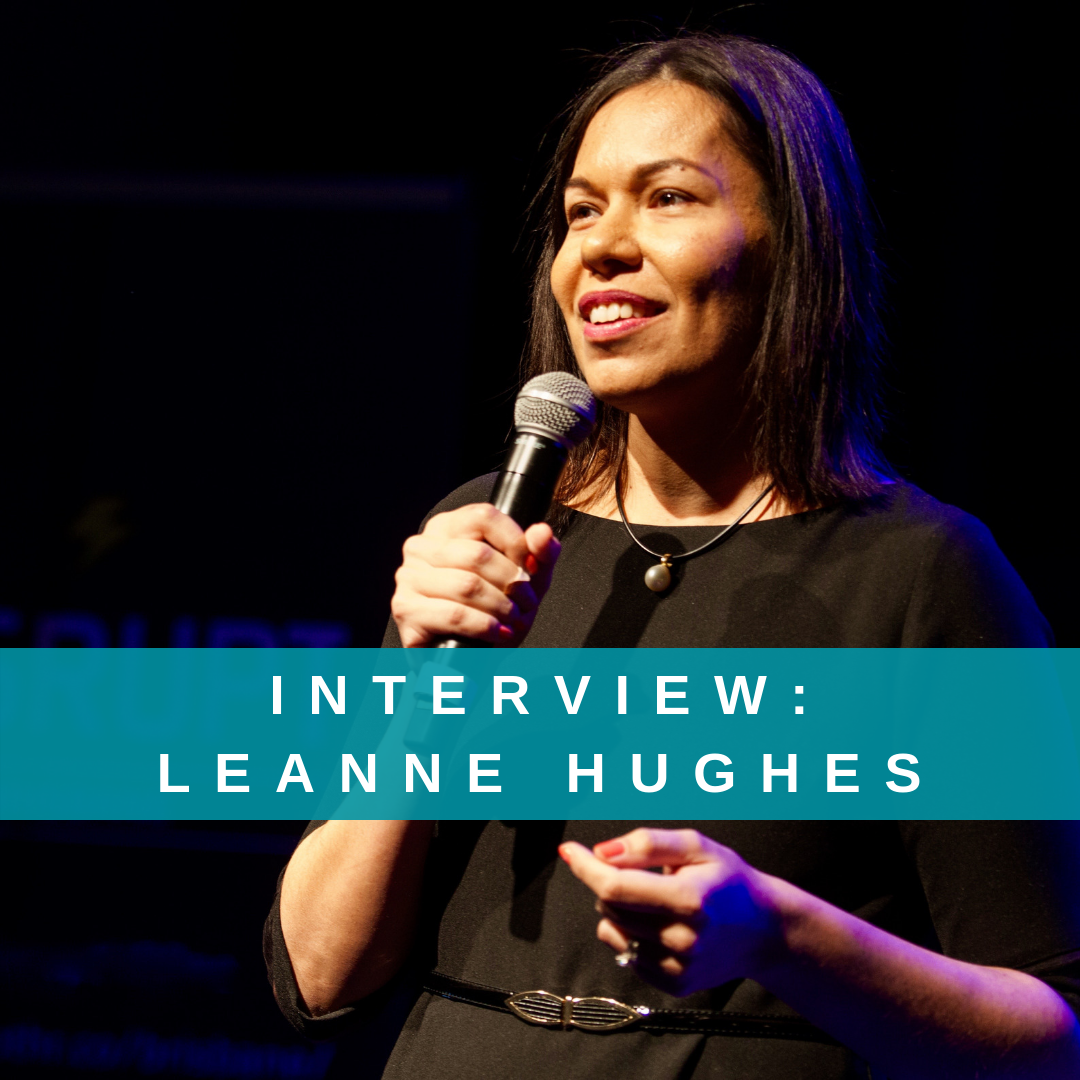
After attending her recent book launch, Thomas knew we had to get today’s guest back on the show. We welcome back keynote speaker and author Leanne Hughes to explore what it takes to get the projects, promotions and perks that you deserve at work.
Leanne wrote Work Fame for the person she was in 2016, when she’d moved from Broome to Brisbane for a job that looked like a dream on paper, yet she soon found herself searching for other roles on the train home. That experience led her to ask what she could change in the role she already had. Her book covers three spotlights: the value you contribute, the conversations that build trust, and how you make your work visible.
The conversation gets practical, going through the three pillars that help your work get noticed and help you get remembered. Leanne explains what introverts can bring to one-to-one conversations and how a small gesture of appreciation can give you a reason to reach out today and begin standing out in your role.
What You’ll Learn
- How contribution, conversations and coverage work together to build your reputation
- What changes when you swap a to-do list for a results list
- How to find out what a stakeholder values before you build the next report
- How introverts can use one-to-one conversations to build professional relationships
- Why small choices in online meetings can affect who people remember
- What to collect as ‘work receipts’ for your next performance review
- How to turn an internal case study into something you could share at an industry event
- How separating yourself from an idea makes it easier to share and invite feedback
About Leanne Hughes
Leanne Hughes makes people famous at work. As a keynote speaker, advisor and author, she helps leaders and teams become more visible, influential and effective in the way they communicate and lead. Her career has taken her from regional Australia to stages in New York, Mumbai and Mongolia.
She is the host of two podcasts, First Time Facilitator and Leanne on Demand, reaching listeners in more than 80 countries, and the author of the bestselling The 2-Hour Workshop Blueprint. Work Fame is her second book. Based in Brisbane, Australia, Leanne is known for blending warmth, humour and bold ideas that challenge people to think bigger and act sooner.
Worth Repeating
- “I used to have a to-do list I just list all the tasks I needed to do. And obviously that there’s like hundreds of things that are in there, but now I’ve actually shifted that to a results list.”
- “A lot of people that are introverts are very thoughtful, but actually can have really interesting and deep and meaningful one-to-one conversations.”
- “I talk about keeping your work receipts, like just screenshotting emails or reminders of what people have said to you. Now, this is helpful for two reasons. One is when it comes to performance review time, you’ve actually got some evidence stacked.”
- “So often the best things that I’ve heard at in industry events are about stories, case studies, where things have gone wrong.”
- “And I think if you are a little bit scared individually, why not team up with someone, um, like with, with a colleague or ask your manager or someone else and co-present.”
About The Presentation Boss Podcast
Presentation skills for analysts, technical professionals and anyone whose ideas deserve to be taken seriously. Every episode is designed to help you communicate complex ideas simply, influence decisions, and build confidence while presenting your work. From data storytelling and slide design to strategic communication and presentation delivery, we break down what great communicators do and show you how to apply it.
Want To Become A More Influential Analyst?
The Influential Analyst Academy is our professional development community for analysts and technical professionals who want to communicate their thinking more effectively, have greater influence and advance their careers.
Transcript
Thomas: Hello there, it is episode 18 of season two of the Presentation Boss podcast. It’s another good one. I think they’re often good ones, especially as we have a guest on today for an expert interview, and we’ve done it again. We have looped back to a previous guest way back from season one. Uh, we are chatting today with Leanne Hughes.
She’s been on our podcast before, we’ve been on her podcast before. We have just been following each other’s work, kind of tangentially for probably pushing a decade now. Uh, and a great conversation, Kate.
Kate: Yeah, so Leanne and us started businesses at a really similar time, and so we were kind of in that, that same phase together of like working out what is business and that, and trying to, you know, find our feet. Um, and she had a podcast that we really enjoyed and it made us, I think it was her 50th episode of her podcast, she talked about like, you’ve just gotta do it.
You’ve just gotta jump in and, and just do a podcast. And we were like, you know what? That’s probably the sign to get it done. And it was after that episode that we actually started ours. And that has been quite helpful for our business. It’s been really good to, um, have these conversations and meet really great people.
Thomas: It’s such a good excuse just to have a chat with people we like.
Kate: Absolutely. Absolutely. And this conversation was completely new content because Leanne has a new book out and I think it is, it aligns with what we talk about really, really nicely, and I think it’s gonna be extremely helpful for people today.
Thomas: Yeah, look, she, um, I was vaguely aware she had a new book coming out and I kind of was busy and not paying a lot of attention, and then she sent me a message and said, Hey, come along to the book launch. And I was like, oh, fine. the book. I went to the book launch and then I was reading the book and I went, oh man, like, this is good.
This is relevant to, to our clients. And I was like, we just, we should get on the podcast and talk about it.
Kate: Yeah. Yeah, for sure. And I’ll note at one point, ’cause you sit there because you are our producer, you sit there and I know you make notes and very occasionally you’ll send me a message of just like, um, you know, ask this question or, you know, other producer notes. And at one point in this conversation, you sent me a message and said, you need to watch your resting bitch face.
And I realised, like, I had just been so engrossed in what Leanne was saying, that my face was completely unsupervised and was just so engaged. Um, yeah, that I just, I love listening to her. She speaks so well concisely. She’s interesting, she’s valuable. All, all the things.
Thomas: If you’re watching this in video, have a look at Kate’s
Kate: Or please don’t.
Thomas: you’re, alright, that’s enough of us. Talk about how much we enjoy Leanne and the conversation that we had with her.
Kate, why don’t you tell us the bio for Leanne Hughes.
Kate: Right. Leanne Hughes makes people famous at work as a keynote speaker, author, and advisor, she helps leaders and teams become more visible, influential, and effective in the way they communicate and lead Her career has taken her from regional Australia to stages in New York, Mumbai and Mongolia. She’s the host of two podcasts, first time facilitator, and Leanne on demand reaching listeners in more than 80 countries.
And the author of the bestselling, the Two Hour Workshop Blueprint, work Fame is her second book based in Brisbane, Australia. Leanne is known for blending warmth, humour, and bold ideas that challenge people to think bigger and act sooner.
Thomas: Right. Let’s share it. Listen in to our conversation with Leanne Hughes.
Well, welcome to the show, Leanne. Look, we’ve just heard your official bio, but what can you tell us about Leanne Hughes when you are not at work and doing work things?
Leanne Hughes: Yeah. Uh, I guess where do I start? I mean, I, I’m a really proud Queenslander, um, and for those overseas, I dunno how you describe the place that we’re in, but I, I, I love where we live, that it’s always really warm. I don’t think I could live any further south. proudly left-handed. Um, I actually really resonate with the identity of being a left-handed person because we’ve had to be adaptable all our lives and, uh, just go with the flow. Um, I guess what might listen is a bit of an insight into the type of person I am. The, the first ever multi-day hi I went on was to Everest Base Camp. So I kind of like just jumping into things and trying to figure it out, um, a little bit later on. So I guess that’s, yeah, that’s a bit of an insight into who I am outside of,
Thomas: Right. Good, good. And, and you’re doing well. Like, uh, you’re always a happy person. It’s great to have you on. You seem like you’re, you’re doing well at the moment.
Leanne Hughes: Yeah, yeah, yeah. I really enjoying life, like champagne problems, being really busy. But it’s also, I guess, the
Yeah.
work that we all do. We, we have certain times through the year where it isn’t so busy. So when it is, it’s good to
Yeah.
that wave.
Thomas: Look, last time, last time you were here, you were helping folks become better facilitators. You’ve been on our podcast before, oh, like six years ago. now you are helping become, uh, helping people become famous at work. What has happened? What’s gone on?
Leanne Hughes: What is going on here? Well, I think, uh, yeah, that’s how we met actually, was through the, the first time facilitator podcast where you’ve
Hmm.
guests on that show. Um, and I guess what it’s an evolution of, of the workshop stuff. ’cause what I discovered is it’s really great to run workshops. What’s the result of doing that?
And when I was working in a large organisation, when I started to run workshops better, I actually became more work famous, is what I call it, within the organisation. being the role of a host, a facilitator, actually you get a lot of social proof because you are, when you’re on stage facilitating a panel with the executive team, people automatically kind of put you in the same, you know, put you in the same stead as those people.
And so I discovered that workshops were the unlock to becoming work famous, but there’s also other things that you can do to create those opportunities at work. So in the book, in work, I actually, there’s a, there’s a part dedicated to, you know, hosting great panels, hosting lunch and learns. I think these are really powerful skills to have, but it’s just evolved a bit more in terms of the results that it can create
Thomas: Yeah. Gotcha. And the book, like, here it is. Woo. Uh, I, so you invited me to the book launch and I was like, all righty, I’ll go support Leanne. And I bought the book. I was like, I’ll start it. And it’s genuinely good. And the problem with a genuinely good book is I read it slowly ’cause I spend my whole time just like thinking about it.
So I’m not even fully all the way through it, but it’s good stuff. And then I was like, well, we need to get land on the podcast because it’s so relevant. Um, look, tell me that.
Leanne Hughes: And Thomas, you’re, you’re a hard marker. So this is like a
Kate: Doesn’t.
Leanne Hughes: is like an a plus from, from anyone else to, yeah. Kate’s sort of laughing, but yeah, I, I was sort of bracing myself, what’s he going to say?
Kate: Thomas doesn’t read books and
Leanne Hughes: Thank
Kate: he absolutely kind of came to the book launch ’cause he’s like, oh, I really like Leanne’s work. I’ll go and support her. Um, not that interested in the book. And then he was like, oh my God, this is actually really good.
Thomas: Yeah, there’s, there’s so many stickies in it.
Kate: Yeah,
Thomas: bookmarked.
Kate: so I’m really curious who is, who is the person that you had in mind when you were writing this?
Leanne Hughes: It was written for. This is so, sounds so selfish. It was written for me for the Leanne of 2016. And I, I honestly think when you write a book, you really have to really know the person you’re writing for. I mean, that’s, that’s the key thing in any great workshop, anything that you, you do for an audience. Um, and so what better market than to sort of profile yourself 10 years ago?
It’s the book that I wish I had. I had just moved from Broome in Western Australia back to Brisbane. Got a dream job on paper and I thought, this is going to be great working for this big global company. And a few months in, like I was spending every train ride home looking for other jobs. I was just feeling really unfulfilled.
I feel like the job on paper wasn’t what it was, um, when I got there. And so it’s really written for anyone that maybe is in a similar scenario thinking that you’ve got more to offer, maybe thinking you’ve been overlooked, being passed up for opportunities. Um, and rather than waiting, uh, for that to find you or having to switch jobs, which is what I was tempted to do, are there things that you can try within the organisation?
Um, and these are pretty, I guess they’re simple to understand, but it takes a bit of
Kate: Yeah,
Leanne Hughes: to do Yeah, it was
Kate: I really like that. ’cause one of my mantras is like, be the person that you needed when you were younger, which fits exactly in there.
Leanne Hughes: love that.
Kate: Yeah. Um,
Leanne Hughes: Yeah,
Kate: should on, we should really backtrack and just, uh, and just like frame, what does it actually mean to be work famous?
Leanne Hughes: Yeah. Yeah. Well, um, I guess the, what, it’s not, it’s not celebrity fame or internet famous, so we’re not tell, and actually quite interesting on that, um, what’s recently come out, Stephanie Rice, a really famous Olympian, Australian Olympian. She, uh, she came out in the news recently saying she’s been, she hasn’t, she’s
Kate: Saw that.
Leanne Hughes: plus jobs and,
Kate: Yeah.
Leanne Hughes: scored any.
And so even celebrity fame can’t help you, uh, unlock this. You need actual work fame. So it’s not about self-promotion either, and it’s not about doing things and, and being self-serving. It’s actually more having, uh, more of a service and value creation mindset. But the official definition is, um, it helps you become known the right work by the right people before the right opportunities appear. Um, that’s the official, official definition of what work fame is.
Thomas: There was a line I really liked in it, which was, and looping back to your story, which was, instead of hunting for your dream job, make your job your dream. Um,
Kate: Oh, that’s good. Yeah.
Thomas: bit that’s like following through for me. And um, I guess, you know, we’ve got a podcast here. We we’re chatting with technical professionals out in the wide world, analysts, that type of thing.
I guess my question is, and maybe it’s a bit of a challenge here, which is you’re doing a good job, you’re doing what you’re asked, meeting expectations and things are going well. Secure job, comfortable. Why should I bother above and beyond that for my paycheck?
Leanne Hughes: Yeah, I, I think that’s a really good point. And actually, uh, in the book, I actually
Thomas: Hmm.
Leanne Hughes: book isn’t for everyone. So if you are going to work and just want a paycheck, that’s totally fine, but there’s no judgement at all. Um, we all have different seasons of life and things like that. Um, but I imagine that if you are listening to this podcast, it’s because
Thomas: Hmm.
Leanne Hughes: want more like, and you feel that you’ve got that potential.
Like you wouldn’t be listening to this if you weren’t, didn’t have a growth mindset. And were eager to learn. And I think there’s more, I know we definitely judge, you know, getting paid as a hygiene factor for work. You know, we, we get paid, but spend so many hours at work. And so I guess my argument, and it sort of came out of, I was a little bit anti quiet, quitting that whole movement around just working in second and third gear. Um, and there’s Gallup research that backs this up. If you are more engaged and interested in what you’re doing at work, you actually live a better life. So it’s really about, I mean, the overall theme is like, live a good life and, and work can be part of that. Not everything, but just part of that. Um, and what I find, like we are in an age now where there’s so much information.
And so let’s just say you are good at your job and you’re doing really well within your team. There’s an element of people outside your team not knowing that, and therefore what you are creating, maybe you can’t influence other people. And that is really frustrating, right? If, if you have an answer, if you’re a data analyst and you are in BI and you’re like, there’s some really important insights here that can impact our sales leaders, but they’re not listening to us. That’s a super frustrating thing to, to do. And I think, um, that’s, that’s probably more about the messages. Sure. If you wanna just have a paycheck, that’s absolutely fine and you’re doing your job and you’re satisfied, go you. But if you want to have more impact and feel like what you’re doing every day is leading to something, um, the work
Thomas: Yeah.
Kate: I really like that it is, like you said, the opposite of quite quitting. ’cause that’s, that’s a thing that I kind of hate the concept of. ’cause it just kind of feels like you are whittling your life away. I hate that concept.
Leanne Hughes: Yep. Same. Thank you, Kate. Yes. Hate is like, like I love that you just own that, because I’m like, I don’t like it. You’re like, I hate it. And I don’t know. Is it because we’re like mature age millennials?
Kate: Maybe.
Leanne Hughes: Of a different era now, and, but I don’t know. I, I, like, I’m expecting someone like younger to read the book and just be like, this person’s just so indoctrinated with work.
But I, I just think it, yeah. The unlock in terms of how great, I mean, like, have you been in
Kate: But yeah. Yeah. God, yeah.
Leanne Hughes: It’s, and does that impact like your weekends and your
Kate: Massively. I remember my worst moment. I remember hating my job so much. And I have not thought about this in a long time, actually, until you triggered it. Um, I remember going home and I was doing a puzzle and it was like on my lap, my big puzzle board, and I was leaning over it and like tears were dripping onto my puzzle.
And then I remember a couple of years later doing the same puzzle and all the pieces were like swelled and they wouldn’t go back together. And I remember just like this memory flooding back and it was so depressing. Like, oh, that’s right. I know why they’re swollen.
Um, but yes, I, I have absolutely been in that position of hating work.
Leanne Hughes: That is, um. Yeah. And not only, yeah, I guess you got like that lot, that lifelong legacy of that puzzle that now can no longer be put together because it’s fallen so much. But yeah, I had similar things and definitely like on the Sunday, like after one o’clock on a Sunday, like my stomach was in knots and thinking, oh, I’ve gotta go into, this office.
And it, it’s, uh, it’s definitely, I think life is way better when you feel like what you’re doing, uh, is having an impact.
Kate: Yeah.
Thomas: I’ve still got this thought, right, which like, I’ve flipped open to one of my sticky notes here in the book. Um, and I think this sort of, um, section is just best summarised by the headline, which is, good work is the baseline. It’s kind of what’s expected.
It’s gonna get you paid, it’s be gonna have career stability. Um, but I mean, and you talk about this quite a bit, but I think that’s just such the summary. If you want more, like, it sort of says on the, on the tin here, on the front, it’s about taking those, about taking those next steps to not be overlooked or be undervalued.
Um, I wanna, I wanna jump into you talk about the three spotlights, that sort of, the three pillars, I guess. Um, if you, if you’re not, if you haven’t read the book right, that first one of contribution being valuable, doing great work, how do we distinguish doing valuable work from just doing more work?
Leanne Hughes: Yeah, that’s, uh, gosh, and I, this is a good reminder to myself ’cause I, I actually wrote an an article today about this, just getting stuck in the busy, not keeping your head up and making sure. Um, I guess probably one of the key things, and, and this is also something I write about, is really recognising the difference between the task that you are doing and the result that you are creating. And I think it’s really sums down to like, the language that we use every day, like every day when we begin work. So something I’ve shifted is I used to have a to-do list I just list all the tasks I needed to do. And obviously that there’s like hundreds of things that are in there, but now I’ve actually shifted that to a results list. What do I wanna create? And this sent out from a line that, um, Alan Weis shared and he’s like, Leanne, no one cares about your methodology. People care about the result. And there’s a really funny meme online. I found it. It’s like, um, well actually no, I’ll tell you what happened with my father-in-law. I, I feel terrible sharing this story, but the other week I was over there and he was having real problems with his computer.
Like, it, it just had this black screen. And so I was like, right, I, I can help, but you know, I’ll give this a go. And all I did, I, I just did control delete to restart the computer. What do you know? The computer’s fixed? He’s over the mood, right? So the result is like he’s happy he can start doing his work.
There’s a lot of impact. But what I did the task control, alt delete, I actually told him that and he is like, hang on, wait,
Thomas: Hmm.
Leanne Hughes: write that down. Like, he’d never, never heard of it. But the methodology of the task, it doesn’t matter so much. It’s the results that you create. And I think we associate, um, it has to be hard for it to create value, but often, sometimes it’s what can you create that, um, yeah, that, that means something to, to your stakeholders in the audience that you’re talking to.
And often I think in meetings, we tend to often talk about what we are doing, but there’s no focus on the value it is creating. So, um, the part around contribu contribution. It is like, how do you get that to cut
Kate: Yeah. And you know, um, that quote from Alan that you shared, like no one cares about your methodology. We have a very similar one that we use, which is no one cares about your dashboard, which is, it’s the same thing because when we get people to show their dashboard, they just wanna show us all the filters and like, you can do this and this.
And we’re like, cool. I don’t care what, what’s the result? What’s the result? Right? Yeah.
Leanne Hughes: Yeah.
Kate: So,
Leanne Hughes: Beautiful. I love that.
Kate: ah,
Leanne Hughes: Your should put Should put that on a T-shirt
Kate: we should, no one cares about your dashboard, but so, so how do you determine what is actually valuable for the business? Like if someone’s like, okay, I need to get outta filters. How do you work out what result you want?
Like what’s value.
Leanne Hughes: Yeah, well, I, there’s probably two, I mean, two approaches I would take with this. One is just connect in with your organization’s strategy, first of all. Like, see what the plan is, the mission is. Um, and what I find is that whenever I was doing stuff internally, then I would talk about it in service of the strategy and using the language
Thomas: Hmm.
Leanne Hughes: in that document.
It’s a really practical, pragmatic idea. Get that one pager in front of you. That’s what senior leaders care about. That’s what everyone should care about. So align to that. Uh, the second thing is don’t guess, like, just actually have conversations. And one of the best examples, um, that I share in the book is, um, a lady called Megan.
She is a HR advisor. She joins an organisation. really didn’t like HR at all, they were doing stuff without her. So I guess, and the typical, you know, in terms of adding value, you think, oh, maybe I’ve gotta go in and run like a lunch and learn, or just share what I do. But instead, she just invited that leader out for coffee, asked about what they cared about, what was driving, um, you know, their plan for the year. And then it, it’s getting an understanding of what that looks like and then in, in the stuff that you do, making sure it aligns to their goals. ’cause again, this is not about you and what you bring, it’s about what’s the value to them. And I think rather than second guessing, just go have a conversation and reach out, be
Mm. It feels to me, and I was pushing before, like, are we just doing more work here? Unpaid work, but the difference is kind of a 1% change. Like we’re not like asking for a lot. It’s just being a little bit careful, a little bit mindful about maybe the next conversation or thinking a bit, a little bit more strategically about that next step of work.
Yeah, definitely. And I think, um, I, I didn’t want this to be a book where you’re like, oh, I’ve gotta do all these extra things. I think there’s real opportunity in your existing role just to add that flavour. The one percenters
Thomas: Yeah.
Leanne Hughes: you’re talking about, Thomas. And even something as simple as, and I’m curious around your audience.
’cause I know you run a lot of webinars for technical people around the world. something simple as you get onto a teams call, pop your video on
Thomas: yep.
Leanne Hughes: Um, yeah, like that is a simple, you are already there, you are already on the call. If you were meeting face to face, you wouldn’t have a bag over your head or face the corner.
You would be engaging. And these are just, again, you are already there. Just pop the camera
Kate: Million percent
Leanne Hughes: your
Kate: literally last night we were running a session and no one had their video on except us. And it was, it’s so hard. And then we called on someone
Leanne Hughes: It’s rude.
Kate: And we’re like, oh, are you there? And she clearly wandered off or something. So we’re like, okay, so I guess we move on. Like it’s not a good look for them.
It’s really awkward and difficult for us. Um, and it’s, it’s like, I think it has this knock on effect of like, you don’t wanna be seen, um, because you’re not confident. And then when you are seen, it’s like this massive spotlight and it degrades your confidence and I think it’s this spiral effect that actually degrades you and your confidence.
So we are massive advocates for just have your video on. And I niggle my husband, he’s in the office next door to me and I’ll walk in when he is on a meeting, like, turn your damn video on, like, we paid. How much for your wallpaper to have a nice background, use it. Okay.
Leanne Hughes: Yeah.
Thomas: And I think, think it’s, uh, I was gonna say like
Leanne Hughes: over to
Thomas: we’re really conscious of it, as I’m sure you’re the same as as trainers as presented. You’ve got people with your video off and you’re like, you do what you can to try and like, oh, like what do you think? Include them. But the bias is so heavy towards, I’m pretty much only gonna interact with people who I can see.
And I should imagine if you’re a stakeholder, if you’re a manager, if you’re a whatever, bias to only deal with the people or like consider the people who have their video on would be so strong for such a simple step. And I appreciate it. Like all three of us are currently at home. Probably have put some thought into our background.
The amount of people I see with just like, you know, the kitchen window and stuff, pun, I don’t care. Like, it’s kind of interesting what’s going on in your world. It’s, I’m not judging you for having some junk on a shelf or the bench. Right.
Leanne Hughes: No. Yeah, yeah. No, I, I’m with you. And I think, um, it, this all comes back to, so like, know, when we talk about being overlooked, it’s, it doesn’t come from a bad place in terms of leaders. There’s so many biases because of so much information that we have. So what we’re talking about at the moment is the availability heuristic, is that because we’re so busy, when an opportunity comes up, we’re going to pick someone that’s front
Thomas: Yeah.
Leanne Hughes: of mind for us.
And that could be the person that, that is the person on the call that is, has got the video on, because we see them. So you remember them more than, than someone else who’s just like a name. So again, these are, there’s a tonne
Thomas: Yeah.
Leanne Hughes: a halo effect, proximity bias, like are you actually in the office walking around, uh, that are sort of micro signals
Thomas: Hmm.
Leanne Hughes: which is,
Kate: I think that’s one like massive outcome for such minor efforts. And if you get one thing out of this episode, turn your video on. Just make an effort.
Thomas: Yeah, think this, I think this, uh, moves us quite neatly into the second spotlight, which is conversations being known, being trusted. And maybe, maybe we’ve already sort of preempted this, this question, but like, what role do relationships play in your contribution, your good work is recognised and valued?
Leanne Hughes: Yeah, I mean, if I was like, if I could only pick one spotlight for the book, it would
Thomas: Yeah. Yeah.
Leanne Hughes: is the big one. and if you reflect on your career, it’s always so a human has made a decision on, on your career, right? So it’s, at the moment, in 2026, humans are still making these decisions. It hasn’t been completely outsourced to ai, but, and a lot of roles aren’t advertised.
Um, when I was working in Broome at tafe, the, the, actually looking after someone else’s role when she came back and like, where can I slot in? They created a brand new role for me in government because of the relationships that I had. Um, and that’s, you know, that’s really sort of unheard of. So I think, um, one of the examples I gave is, uh, Andrew Thomas, who is the pres, uh, general manager of GSK Big Pharma in Australia. And what’s really important though is, is knowing where you want to go, because then you can start incorporating that into conversations and finding out. But the, the beautiful thing about what he did is he could see that there were limited opportunities within Australia. He was willing to go overseas. So he actually just reached out to different managers around the world and said, Hey, can we just have a chat, a conversation? Um, and you do find that people are actually quite willing to help you. As, as busy as we are, we love to give advice and we love to think that someone’s approaching us for a tip.
So, um, conversations are absolutely everything. It’s really hard to nurture. You don’t need to nurture every single person that you know, but once you have a sense of where you want to go, um, again, this is all about just making sure that you are, I guess, diversifying the risk, right? So not only are you talking to people within your organisation, but those in your industry, maybe those you went to university with, just to get a sense of, um, of the landscape of your industry.
And it also helps to, I guess, give you career insurance. Um, you know this as, as well. Yeah.
Thomas: I guess I’m, I’m, I’m thinking here. You know, we work a lot with, uh, with folks who are very comfortable with a spreadsheet in a dark room, and not particularly with other people. I get it. I’m a giant introvert. Um, you know, coming to your book launch, oh, that’s like, I need a day off after that. Um, it was like a hundred people in a room and loud music and a Lady Gaga impersonator.
There was a lot going on. It was awesome. Um, I guess for people where the social aspect where, uh, talking to people, networking doesn’t come naturally. How do you build professional relationships and do network? I know that’s a big question, but like, what’s, what’s sort of the, the, what do you start.
Leanne Hughes: Yeah. Well, well, Thomas, I’m really impressed. I, like, I would not have told, like, you, you were so impressive at that book launch anyway, so you, you are very good at playing part in going, I’m really enjoying this. Even though you might not be, um, the, I think it’s playing to your strengths and so a lot of people that are introverts are very thoughtful, but actually can have really interesting and deep and meaningful one-to-one conversations.
So this isn’t about being out with hundreds of people. It’s not about that at all. It’s not about the quantity. It really is about the quality of those relationships as well. Um, and even, um, like how you present, uh, in written form can come across really powerfully. Um, so it’s not about, I guess the key is I don’t wanna turn people into becoming extroverts and all, a lot of examples in my book are people that aren’t, but isn’t their natural, um, of progressing and networking events and going to conferences are one element of it. But I think if you’re to focus just on the one-to-one relationships and being quite strategic in who you target and who the conversations are with, um, think that’s helpful. At the same time, I will encourage people, um, something I talk about. So like, I look, I guess you could, you could call me an extrovert, but, uh, you could, but I’m also, there’s times where I don’t feel like talking to anyone, you know, not at all.
Particularly after, you know, running a workshop. Well, I just don’t want to, I don’t wanna shut up the world. I wanna read, I wanna just go on podcasts. And so I, um, I’ll go out for a walk and I’ll be very much insular in my own head and just trying to get those steps. I call that the walk of tame, where you’re in your head, you just focused and you’re really, um, walking ahead. Then sometimes where I’m like, I just wanna challenge myself to connect with people. Um, and so I’ll call it the walk of fame. I go out and I say, good day to every stranger I walk past. Now the introverts listening are thinking this is like, oh my gosh, that’s, it’s terrible. But it’s a really good practise for anyone, extrovert or introvert because it builds up that rejection muscle. Um, and a lot of stuff that, that helps you become more noticed is about, it does feel a little bit uncomfortable and it’s not about getting a hello back. It’s actually just about a being a person that can say hello, give someone a smile and continue walking. So,
Kate: remember there was a guy that I used to work with, uh, like 20 years ago now, and I remember watching him in the morning. His name was Matt. Um, and he, he was one of the managers and he would make himself this like soup bowl of coffee. And then he would spend the first hour of the day just walking to everyone’s desk saying hi, telling everyone how busy he was.
And I was like, this is so bullshit. Like you are just, you are not saying anything. You are wasting so much time. He was so good ’cause he’d just go and chit chat with everyone and there was nothing like of substance, but he was known and he was liked and he became so approachable. Um, and I went from being quite a cynic of that to like, oh, that’s actually probably really effective.
Leanne Hughes: Yeah. And that’s just the hard thing about conversations. ’cause there is no guaranteed ROI. I call it. So Jim Collins talks about this. He says there’s like, there’s return on investment obviously when you do. So if I do x this will happen. Conversations aren’t that, but I’ve had just extraordinary ROI on the conversations I do have, course, like, um, but, but he talks about return on luck.
And I think that’s what you’re doing by getting to know people is that you, you and becoming approachable, um, is you’re, you’re creating also a culture where people do feel safe to speak up to you as a leader. And that’s, that’s really important too. I’m just imagining this big coffee mug, this soup
Kate: Yeah, it was huge. So why it was, why it was, um, quite memorable. ’cause it was a bit ridiculous. Um, because I guess, yeah, again, like I was a cynic and if people are still kind of suck, stuck in that cynic mind frame of like, well that’s just a bit of self-promotion. You should just be letting your work speak for itself.
Um, ha ha. Do you wanna, I dunno what my question is there, but I’d love to hear your perspective on that.
Leanne Hughes: Yeah. Well, I think if your work is speaking for itself, then again, fair play to you. Keep doing what you’re doing. Um, this, this element of work fame is really written for people that are just getting a little bit frustrated by the lack of, uh, of cut through of their efforts. And I, I think that’s really common.
Now, I, I, the people that I talk to, I’m always hearing, and I’m sure the people that you work with, we need to get a seat at the table. They’re not engaging us at the beginning of the project. They’re engaging us right at the end and surprising us and expecting us to help. And so it’s, this is really about moving from being the subject matter expert to being a, uh, a strategic advisor, um, within your organisation.
So, and it, it is, I get it, it is really hard to think about, but if you are contribution and, and actually Christo does a really good example. Um, not
Thomas: Oh yeah.
Leanne Hughes: Vinh, yeah. Our favourite Vinh. Um, I, I don’t know if you’ve seen the video where he says like, you could be a 10 out of 10 technical expert, communication, if you are a three out of 10, what are they going to like?
You are only as good as how you communicate. And I think this is where the relationships getting your contribution to cut through, um, actually really do matter. ’cause you’re not actually being perceived as the expert if you cannot
Kate: Only perceived as a three.
Leanne Hughes: And the see is three. Yeah.
Feel like we’ve, uh, we’ve, we’ve started to shift into the third that third pillar of coverage, making your work visible and then like we are reasonably strong advocates, especially in the analytics space, of
Thomas: your
Leanne Hughes: work probably doesn’t speak for itself, like the data doesn’t speak for itself.
You actually have to do that. There’s, there’s no point just sort of, don’t know, clicking send on the, the report and magic things will happen. I guess what does, does promoting good work look like in practise? How, how, how are we promoting our work?
Well, actually, I love that you, when you said that, Thomas, I guess the idea that I got in my mind is all you’re really doing is you’re having to gift wrap information in a way that is like, it is a gift to someone else. And I’ve, I’ve seen the work that, that you do like a few years ago, um, where, you know, if you send someone a table, it, what, what am I meant?
What am I looking at here? Whereas by doing that sort of gift wrapping by showing them exactly where to point to what the key messages are, you’re really, again, being of service to them. So that’s all. I think it is that translation of what does my idea actually mean to you? What does the impact? And because you know, that, um, that will cut through. But it’s also an element of, I don’t know if many of your people, how I got, I guess my start in the whole coverage piece is that I would go to different conferences and I developed an area of expertise and I, I would go to these conferences and think, a I am not learning anything new. Maybe I’m a bit of a fixed mindset, but I just like, I’m, I’m not being challenged by anything here. But there comes a point in time where you’re like, I feel like I have something to contribute here. I feel like I’ve, I’ve got the runs on the board that I can share this more widely. um, that’s what I encourage people to do is when they’re at that sort of threshold, it’s like, take that opportunity.
Don’t wait. Like it is time for you to share your ideas more broadly. And my story, and I, I uh, and this is how we know each other, is that when I was working for this big organisation, my boss was asking me to run workshops, had no idea how to do it. So I started the podcast, that was extracurricular outside of the day job.
It was a side quest. But the beauty of doing that, that was my coverage spotlight, is that it actually made me more famous internally within the business. And that’s when I started getting everything. And so we often, we tend, we tend to compete with other people within our organisation on the same metrics, but coverage is like, wow.
If you get, could speak at industry conferences, write at articles that share your point, unique point of view, you actually find that the cool side effect is that internally people notice your work as well.
Kate: Yeah. Wow.
Thomas: Of course, we love this idea of doing great work and then also sharing it with other people and being known for the great work you do. Adding this, uh, label of work fame around it is just a little piece of genius by Leanne and really congratulate her for the book.
Feel free to reach out to Leanne and if you wanna work with us a little bit in doing good work and making sure that it is seen, it is respected and your analytics are listened to so that you can be an influential data storyteller. I’m gonna put a link to our online community, the Influential Analyst Academy, and I’ll put a link for that one down in the show notes.
We explore very similar topics to Leanne. That’s part of the reason we got her on. We speak the same language and we like the way that she comes at the world. So look, if you would like to explore our community, you can totally, uh, do the free trial and just have a look at it, link in the show notes. Uh, we’d love to see you come and just have a look.
If you’re the type of person who is listening to this podcast and resonating with what we’re having a conversation about, it’s probably something worth you having a look at.
Kate: Okay. So let’s bridge this gap a little bit ’cause I am, again, I’m thinking about audience who are kind of in their data bubble bubble. How do you make the leap between like, I’m producing this stuff that other people are screenshotting and sharing, you know, like dashboards that are being screenshot
Leanne Hughes: Great.
Kate: the gap between that and like speaking at industry conferences.
So what is that next step for maybe getting noticed outside of your direct line?
Leanne Hughes: Yeah, would do a bit of an audit. In terms of the things that you are creating for other people, what’s the feedback you are getting from those people? So why, why are they over the moon about a report or how has it actually shifted something? So you, I would actually start gathering case studies and way back in coverage.
I talk about keeping your work receipts, like just screenshotting emails or reminders of what people have said to you. Now, this is helpful for two reasons. One is when it comes to performance review time, you’ve actually got some evidence stacked. ’cause it’s really hard to remember what the heck did I do this year? Um, but secondly, these work receipts, it, it gives you a really good insight into what your strengths are, what people other, you know, other people see you for. And then you can think about, Hey, maybe there’s a way that I can share this lesson at an industry event, right? So often the best things that I’ve heard at in industry events are about stories, case studies, where things have gone wrong. And so it’s really just capturing that and, and documenting it as opposed to, I’m coming in as the expert, so I’m coming in as someone who tried this, gave it a go. Here’s the feedback we got and here’s what you can learn from that. Um, of course we’re keeping like everything confidential in terms of, uh, what’s, what’s important for your organisation?
But I, I don’t, I, it, it seems like a big gap, but if you are already producing that, it’s really just a case of having the guts and courage to maybe go, maybe we could share this. And I think if you are a little bit scared individually, why not team up with someone, um, like with, with a colleague or ask your manager or someone else and co-present.
It’s a nice way of getting
Kate: Yeah, I really like that. And we are huge advocates. Um, like I work with people on their reports and whatever, and, and I say the same thing, you’ve got to keep your screenshots of before and after, so then you can come to your performance review and go, Hey, here is tangible evidence of skill improvement.
So it doesn’t have to be like, look how great I am. It’s just like, look, I’ve improved. Like, so if, if you feel uncomfortable self-promoting at this stage.
Leanne Hughes: Yeah. And I think it, this isn’t really about, yeah, it’s not about, look how great I’m, it’s like, Hey, look how great this idea is and what I like about that. ’cause if, if I was thinking that I’m self-promoting the whole time, I’d probably be too paralysed to post anything. But what I do is I, and this is kind of like almost being Buddhist, I separate me from my idea and I’m like, attack the idea.
Like, go nuts. You talk up the idea, attack it. It’s, I’m not taking that personally because it’s just a concept. And I think if you sort of frame it that the idea is outside of you and, and not who you are. Um, how I get over the mindset of self-promotion. It’s like my, I’m sharing an idea here and, and trying to start a conversation.
Um, and that reduces the barriers
Kate: Really like that. I think I’m actually going to use that language because again, we’re working with people on their actual work and it can sometimes feel like you are not criticising but critiquing them as a person and it’s, it’s, yeah, I really like that language of separating the idea from you. Yeah, that’s really good.
Leanne Hughes: Yeah, I, I actually got that. Thanks. I, I, I’ve got a acknowledged source. I got that from a, there was an executive at te, his name was Abdul Gira, and he said it during the executive meeting. He said, every time I’m, I’m putting my idea out on the table and we are critiquing at that. And it was just beautiful.
So
Kate: Yeah,
Leanne Hughes: thanks, Abdul
Kate: really good one.
Thomas: I, I think a bunch about, you know, what this means moving forward. And, you know, with our, with, um, we ran a, a webinar even yesterday where we were talking about, um, there are some skills and it’s often technical skills now that AI is threatening and, you know, in the data space, that’s a scary prospect.
And I think,
Leanne Hughes: Yeah.
Thomas: if we’re not actively growing skills or making contribution visible, I think it plays back into this idea that I sometimes think about, which is you are either, you are either growing or you are slowing. It’s really hard to stagnate. I guess I’m just curious here, thoughts on this, which is like, if I’m just staying where I am with my skillset, with turning up and doing what I do, am I at risk of being overtaken by other people and by AI and being overlooked?
Or is it like not even so much stagnating, literally being left behind?
Leanne Hughes: Yeah, I, and I think, you know, even if you are like, we’re standing still right now, but the earth is still moving, like we are still rotating. Um, and so we are moving, we are, we are caught in, um, I think about this every day actually about the relevance even of the work that I do. Um, and thinking about that’s sort of transactional is very easy for an algorithm and an AI agent to of quickly dispose of.
So what are those extra skills that can actually ensure your relevance in the future? And I think these are the things related to judgement decision making, relationships that you build. These are critical things right now. And the people that will, I guess, uh, remain relevant are people that can do both.
So this is not about, I’m not saying, I think in Texas they could say a big hat, no cattle. You still have to be, yeah, the baseline of what you do technically. You have to understand that, but then understand the impact of it on other people. So I, again, I think I applaud the people that are listening to this ’cause you are on the right track.
You’re staying open and aware. You are growing your skills by listening to Kate and Thomas. So keep doing that. Um, but yeah, those human skills are the ones that really are going to be differentiated. I mean, they are already, they are already.
Kate: For sure. We’re already seeing how much people appreciate connection. Like AI’s only really been like a thing properly, what, two or three years? It’s not long and people are already sick of it and appreciating the human.
Leanne Hughes: They are.
Kate: Yeah.
Leanne Hughes: Yep.
Kate: so we’ve talked about video. I think that’s a super tangible, this is our thing you can do today.
Do you have anything else, like one thing that people can do today that can help them on that track to have that next step of becoming work Famous.
Leanne Hughes: I think it’s just a low risk thing. I would encourage you just to, um, think, think of one person within your organisation that maybe you admire. know, that you think, oh, they, they’re doing a really interesting job. And I would actually reach out to them and just say, and let them know. Like, let them know. A lot of the time we, we wait for people to recognise us, but be the person that
Thomas: Hmm.
Leanne Hughes: someone else. So you can just, you know, shoot them a note. Say, Hey, I think you know what you did the other day, or I saw you on this project. And just, just send that. That would be the, a simple ask. you wanna go a bit more black belt, uh, ask them out for a coffee, ask them out, ask them.
Don’t ask them out. don’t. I’m gonna get HR after me on this. Um, but, um, invite them for a coffee or go on like a listening to. I’d love to know a bit, understand a bit more about what you do and what your challenges are and where the opportunities lie. I assure you people actually are over the moon a random person does reach out.
So be that person for someone else
Thomas: You’re so right. I’m, I’m thinking to like, when somebody has just shot me a message and somebody who maybe off was, you know, just in the room when I was presenting and they shoot a message like, that was really helpful. Good on you. This, you know, like, oh wow. Like you think about that person so much. it would make sense that if you are reaching out to those people in, in the organisation, they’re gonna think of you just a small little email, voice note something.
Leanne Hughes: Yeah.
Yeah. No one, no one does it. Like I’m, I think there, there’s a real difference between intent. Like I think we all think about, we’re like, oh, that person’s great. I really should tell them. And, but we never do it. And, and action is what will
Kate: Remember getting a note once and someone, it was a really nice one and they said, oh, you probably get this all the time. But, and then appreciated something that I did and I was like, no, I don’t get that all the time. It’s really nice to hear because sometimes, yeah, like maybe people are thinking that you’re doing a good job, but you have no concept and you just like, I don’t know if I’m on the right track here.
So yeah, reach out and, and tell them even if you think that they probably get it all the time.
Leanne Hughes: Even more so if you think they get it all the time, because
Kate: Yeah.
Leanne Hughes: it’s an inverse relationship. Yeah.
Thomas: Yeah. And, and as well, like, I know, I know Leanne, somehow we’ve started just defaulting to voice notes to each other. I’ve just passed that section in the book as well. It’s like, oh, we, we we’re doing the thing. But I think to Kate’s point where people are a bit sick of ai, you get an email, it’s like kind of have this sort of like, did, did chat GPT write that for you?
Like a voice note now I think genuinely easier. It builds your confidence and it’s so un-AI, it, it’s, I think it’s an easy, um, sort of, you know, level two move even. Right.
Leanne Hughes: Yeah, but is a disclaimer in there ’cause some people hate voice notes. I, there’s a lot of articles. Just, just Google people that
Thomas: Oh
Leanne Hughes: voice notes online, like The Guardian have done a really funny article. So there’s a, there’s a whole other camp and so I make sure, like before I’d like, Hey, are you a voice note person?
I know that you Thomas and Kate. No
Thomas: Podcasters. Yeah.
Leanne Hughes: is what we do. is the voice note people. So send Kate and Thomas a voice note after this,
Thomas: Yes, do do. You can email us. So
Leanne Hughes: Oh, and me, I’d love to receive a voice note
Thomas: yeah, totally end how great the, uh, conversation’s been. Um, and look, uh, good book. Of course, as I’ve said. I’m curious, what’s upstream of work fame? What’s a book or resource that’s influenced the way you communicate and approach your work?
Leanne Hughes: I’m going like, this is a great question. I’m actually gonna go really old school. The first book I ever read, the first ever book on personal development I read when I was 13 was, uh, the Seven Habits of Highly
Kate: Ooh.
Leanne Hughes: Teens. Teens, not People. It’s written by, uh, Stephen Covey’s son, Sean Covey. Um, that really changed my life.
Um, and then a quote that has really helped me is Jim Rohn and he says, harder on yourself than you do on your job. Um, so I think the combination of those two things, like these are basics, but the basics just are evergreen and even more relevant now.
Kate: That’s interesting. That’s a new one. I’ve not heard of that. And I have an almost 13-year-old that, um, is coming up for a birthday. So, uh, that might be, might be one to.
Leanne Hughes: I loved that book. And as a, it is pitched to the right. Yeah, like there’s illustrations, there’s mini activities. It’s a beautiful, very easy to read, but impactful book. Like opened my eyes to the world of yeah, self-development.
Kate: And final question, of course. Where can people find you and where can they get a copy of work Fame?
Leanne Hughes: Yeah, LinkedIn. So I’m, I’m connected to Thomas and Kate on LinkedIn. If you wanna search there, uh, get work fame.com is the official book site. And leanne hughes.com is my sort of services, uh, sort of fun site really, is what I’d say. So, and it’s available at every retailer, Amazon, all the, all your
Thomas: And did I see it was on LinkedIn. You can just go to the Brisbane airport bookshop. Leanne’s probably nicked it off the shelf and signed it. Um, I saw a video.
Leanne Hughes: Yeah, and I’m flying around the country and I’ll be in Perth and Adelaide next
month, so I’ll be infiltrating airports and
signing books
Kate: Must be so exciting.
Leanne Hughes: I dunno if
Kate: Is that so exciting to see your book in an airport?
Leanne Hughes: Yeah, it’s really exciting. It’s, uh, yeah, it is really, it’s hard to believe actually. Um, that’s been a childhood dream as well, just to have a book at the airport.
Um, yeah, it’s been very cool.
Thomas: Have a book at an airport. That’s a good goal. Alright, I’m writing that down. Look, um, I’ll put links of course to everything Leanne mentioned where you can get the book, her website, um, in the show notes. This has been such a lovely conversation as always. Uh, I’m, I could always chat for quite a while with Leanne, I’m sure.
Kate, you’re a bit the same. Um, thank you so much, Leanne. Is there anything, anything else we, we haven’t mentioned?
Leanne Hughes: No. Love your work. Keep it up. I’m so glad you got the podcast back. It’s awesome. So well done to you too. It’s been so great. Just uh, yeah, we’ve been in business sort of similar amount of time, so I love
Thomas: And, and, and the classic story, it was, we started doing facilitation. I think we were doing searches for like podcasts. Kate found this first time facilitator, and then you are up to about episode 50, and we were like, we just need to get on this podcast thing. So it’s, it’s quite circular, so like, thank you. Amazing. All right. Thank you so much Leanne Hughes for being with us again today.
Leanne Hughes: Thank you.
Thomas: Lovely. Thank you so much for listening to today’s episode, our conversation with Leanne Hughes. If you found value in today’s episode, please do send one or both of us a voice note. You can contact us podcast@presentationboss.com au, and if you want to share this episode with a friend.
Kate: Course, if you know someone that would be really great to have on as a guest, or maybe that’s you, please do get in contact with us as well. We’re always looking for cool people to talk to and people who have things to share
Thomas: As always, there’s a lot of links in the show notes for you to explore. Otherwise, have a great week.